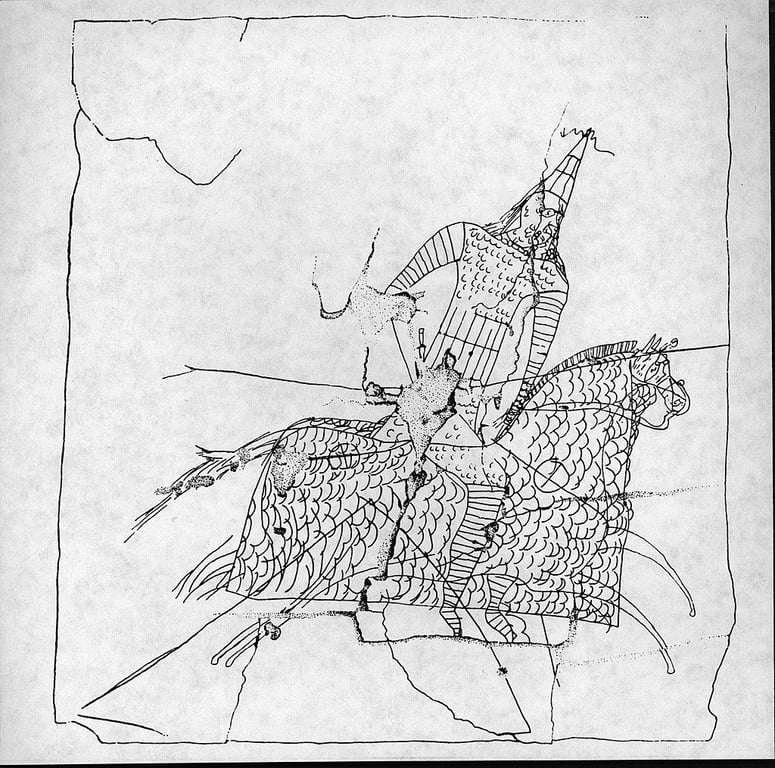
Among the Perso-Aryan texts found in Dura –a city located on the west bank of the Upper Euphrates, re-founded by Macedonian invaders as a military settlement in about 303 B.C., and given the name Εύρωπός, flourished in the Parthian period since the end of the second century B.C., seized by the Romans about A.D. 165 who held it for some ninety years and made it a Roman garrison, and baptized it Colonia Europaeorum, and ultimately fallen into the hands of the Persian king Šābūr – eleven texts indicate dates: one, Parthian (pahlav(ān)īg), a graffito on the wall of the temple of Zeus Megistos; and ten, Persian (pārsīg) dipinti (painted texts) on the synagogue frescoes.
The years in the Pārsīg inscriptions are those of Šābūr, the son of Ardašēr. The first year of Šābūr’s reign would have run from 22 September 241 to 21 September 242 (according to the religious calendar)/ 25 May 241 to 24 May 242 (according to the royal calendar). These Pārsīg inscriptions record the visits of the Persian viewers of the synagogue of Durā sometime between October 254 and July 255 according to the royal Persian calendar or between February 255 and November 255 according to the religious calendar.
<* The images of the inscriptions provided here are directly scanned from Carl H. Kraeling, The Synagogue (The Excavations at Dura-Europos, Final Report VIII, Part I), Ktav-New York, 1979, pp. 516-518>
pahlavānīg 6
sarδ 522 māh addār saxt 11 paδ hāvanān.
‘In the year 522, month Addār, on the 11th (day) in the morning.’
If we suppose the spring (Nīsān) New Year for the Parthian calendar, then the year 522 corresponds to 211/212 A.D. The tithi Addār 11, of 212 A.D., ended on a Sunday, 1 March 212, in the Hāvan time at Dura –Notice that 11 Adar I of the Jewish year 3972 corresponds to 2 March 212, Monday.
<image>
pārsīg 1
(Pl. XLIV 1, Geiger N. 42)
māh fravardīn abar
sāl 15 ud rōz rašn
ka Yazdāntahmfarrōbay
dibīr ī tahm ō
ēn xānag <āmad> u-š ēn nigār
pesannīd.
māh fravardīn abar
sāl 15 ud rōz rašn
ka Yazdāntahmfarrōbay
dibīr ī tahm ō
ēn xānag <āmad> u-š ēn nigār
pesannīd.
‘In the month of Fravardīn, in the year fifteen, and on the day Rašn, when Yazdāntahmfarrōbay, the steadfast scribe (or, the scribe of the army), <came> to this house, and he admired (or, approved) this picture.’
The date is the 18th day (Rašn) of the 1st month (Fravardīn) of the 15th year of Šābūr, that is, 8 June 255 (or, 6 October 255 according to the religious calendar).
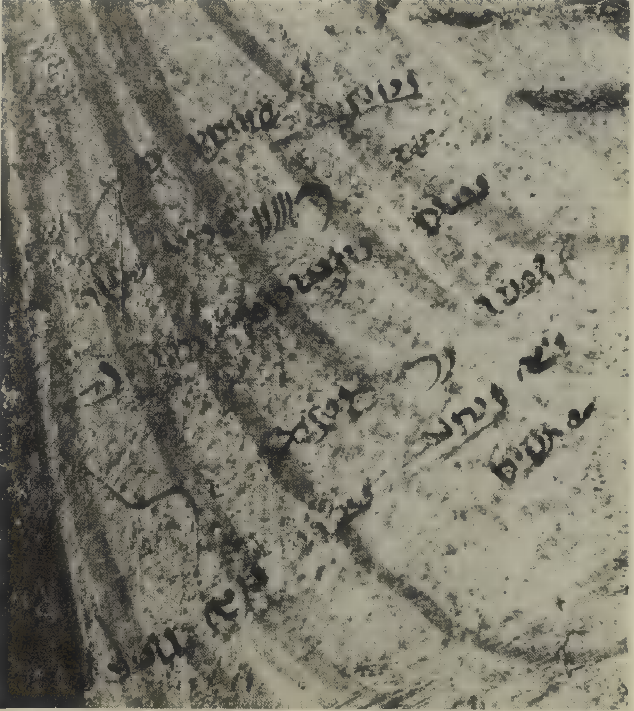
pārsīg 2
(Pl. XLIV 2, Geiger NO. 43)
māh mihr abar sāl
14 ud rōz šahrevar
ka Mihr ī dibīr
ud dibīr ī radag
ō ēn xānag
āmad hend
u-šān ēn nigāṛ nigerīd
u-šān āfrīn kird
. . .
dā
māh mihr
abar sāl 14.
māh mihr abar sāl
14 ud rōz šahrevar
ka Mihr ī dibīr
ud dibīr ī radag
ō ēn xānag
āmad hend
u-šān ēn nigāṛ nigerīd
u-šān āfrīn kird
. . .
dā
māh mihr
abar sāl 14.
‘In the month of Mihr, in the year 14, and on the day Šahrever when Mihr, the scribe, and the scribe of the army came to this house, and they looked at this picture and they made praise.
Till the month of Mihr, in the year fourteen.’
Till the month of Mihr, in the year fourteen.’
The date is the 4th day (Šahrever) of the 7th month (Mihr) of the 14th year of Šābuhr, that is, 21 November 254 (or, 21 March 255 according to the religious calendar).
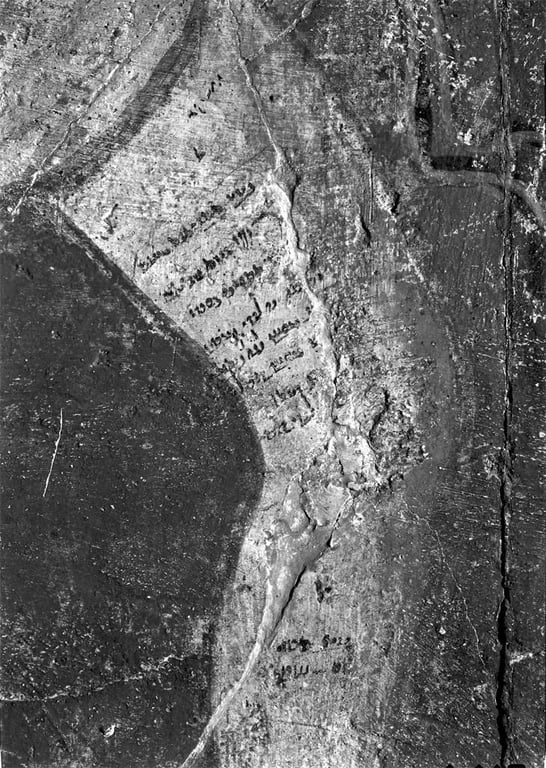
pārsīg 3
(Pl. XLIV 3, Geiger NO. 44)
māh mihr [abar sāl] 14 ud rōz [fravardīn?]
ka Hormazd dibīr ud Kirdag ī bannag ud dibīr ī tahm
ud ēn bannag ī jehūdān ō ēn peristag ī bay ī bayān ī
jehūdān āmad <hend> u-šān ēn nigār nīšīd
u-šān nigerīd ud nīšīd . . . nigerīd
. . . nigār <pesannīd>.
dādestān nazdīk baved.
māh mihr [abar sāl] 14 ud rōz [fravardīn?]
ka Hormazd dibīr ud Kirdag ī bannag ud dibīr ī tahm
ud ēn bannag ī jehūdān ō ēn peristag ī bay ī bayān ī
jehūdān āmad <hend> u-šān ēn nigār nīšīd
u-šān nigerīd ud nīšīd . . . nigerīd
. . . nigār <pesannīd>.
dādestān nazdīk baved.
‘In the month of Mihr in [the year] fourteen, and on the day [Fravardīn] when Hormazd, the scribe, and Kirdag, the servant, and the steadfast scribe, and this servant of the Jewish community came to this place of worship of the god of gods of the Jews, and they beheld this picture, and they looked at and beheld, <and they> beheld <this βῆμα>, <and they admired this> picture.
Judgment becomes near.’
Judgment becomes near.’
The date is the 19th day (Fravardīn) of the 7th month of (possibly) the 14th year, that is, 6 December 254 (or, 5 April 255).
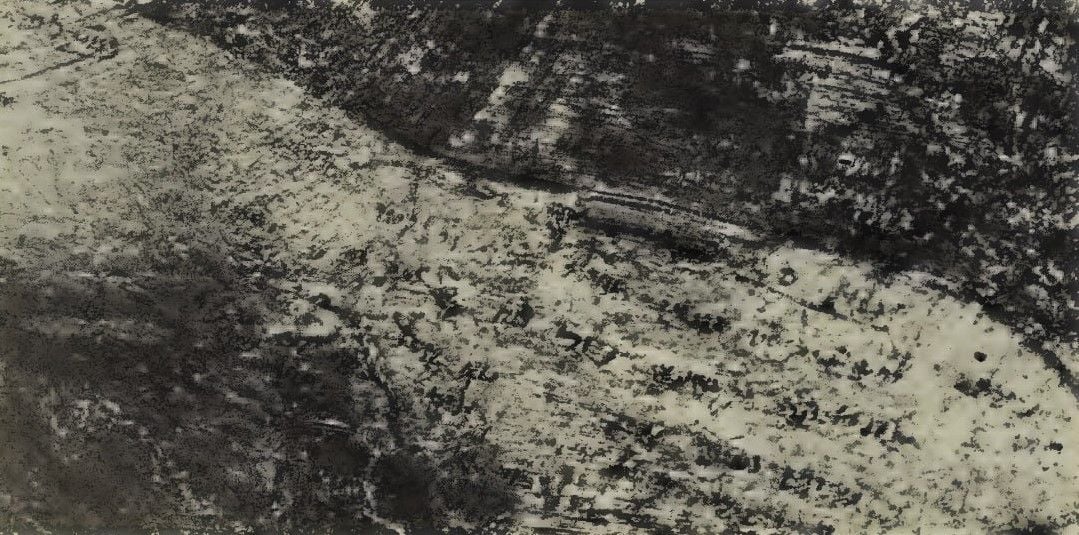
pārsīg 4
(Pl. XVL 1, Geiger NO. 45)
māh mihr abar sāl 14
ud rōz mahrspend ka Pakur ī dibīr
ud dibīr ī tahm
ō ēn peristag ×āmad <hend>.
māh mihr abar sāl 14
ud rōz mahrspend ka Pakur ī dibīr
ud dibīr ī tahm
ō ēn peristag ×āmad <hend>.
‘In the month of Mihr in the year fourteen, and on the day Mārspend when Pakur, the scribe, and the steadfast scribe came to this place of worship.’
The date is the 29th day (Mahrspend) of the 7th month of the 14th year, that is, 16 December 254 (or, 15 April 255).
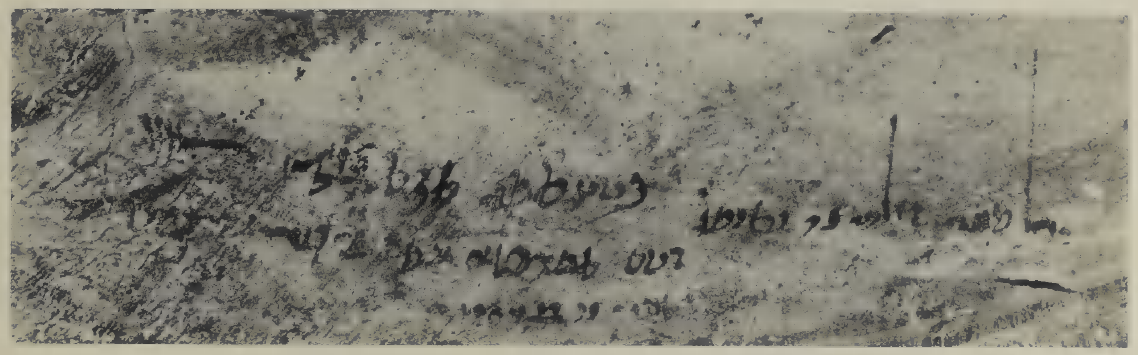
pārsīg 5
(Pl. XVL 2, Geiger NO. 46)
māh amurdad ud rōz
fravardīn ka
Rašnag dibīr ud Burzādur
andar āmad <hend> ud bēmā
nīšīd.
māh amurdad ud rōz
fravardīn ka
Rašnag dibīr ud Burzādur
andar āmad <hend> ud bēmā
nīšīd.
‘In the month of Amurdād, and on the day Fravardīn when Rašnag, the scribe, and Burzādur came in, and they beheld the βῆμα.’
The date is the 19th day of the 5th month (Amurdād). No year is given. It could correspond to 7 October 254 (or, 4 February 255).
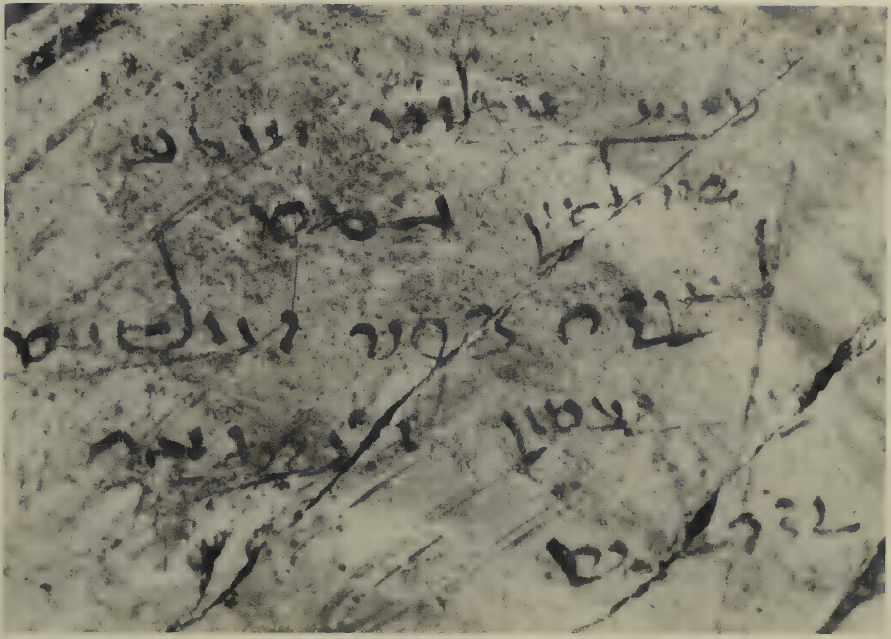
pārsīg 6
(Pl. XLV 3, Geiger NO. 47)
māh šahrever rōz mahrspend ka
Mahrspenn ī dibīr ō ēn peristag
āmad ud bēmā nīšīd.
māh šahrever rōz mahrspend ka
Mahrspenn ī dibīr ō ēn peristag
āmad ud bēmā nīšīd.
‘In the month of Šahrever, and on the day Mārspend when Mahrspenn, the scribe came to this place of worship, and beheld the βῆμα.’
The date is the 29th day of the 6th month (Šahrever). No year is given. It could be 16 November 254 (or, 16 March 255).
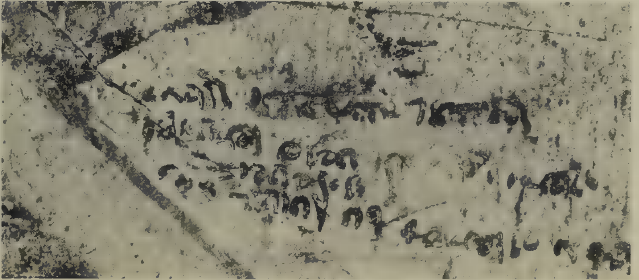
pārsīg 7
(Pl. XLV 4, Geiger NO. 48)
māh mihr ud rōz rašn ka Naxādāb ud Hubād ud Farrox
āmad hend, u-šān bēmā nigerīd.
māh mihr ud rōz rašn.
māh mihr ud rōz rašn ka Naxādāb ud Hubād ud Farrox
āmad hend, u-šān bēmā nigerīd.
māh mihr ud rōz rašn.
‘In the month of Mihr, and on the day Rašn when Naxādāb and Hubād and Farrox came (in), and they beheld the βῆμα.
The month Mihr and day Rašn’
The month Mihr and day Rašn’
The date is the 18th day of the 7th month. No year is given. It could correspond to 5 December 254 (or, 4 April 255).
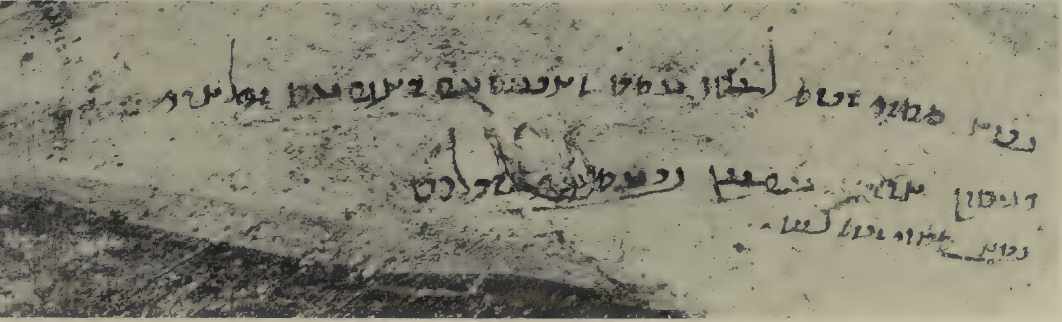
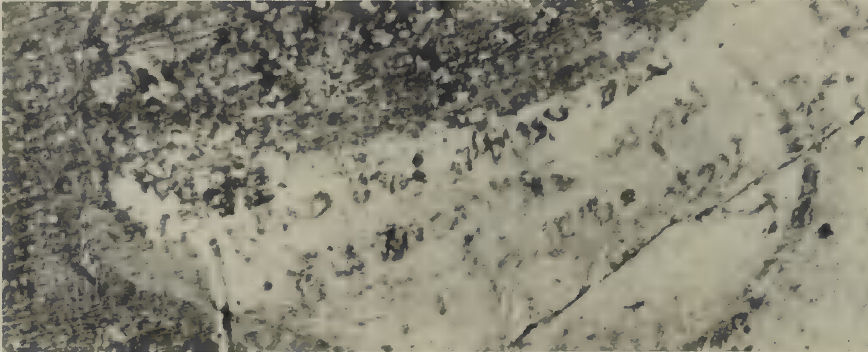
parsīg 8
(Pl. XLVI 1, Geiger NO. 49)
<māh . . . abar sāl 14>
ka Hormazd dibīr āmad
u-š ēn <nigār> nigerīd zīndag
kydly murd.
<māh . . . abar sāl 14>
ka Hormazd dibīr āmad
u-š ēn <nigār> nigerīd zīndag
kydly murd.
‘<In the month of . . . in the year fourteen> when Hormazd, the scribe, came and looked at this <picture>: Living kydly (the child), the dead.’
Nothing certain could be read in the first line.
pārsīg 9
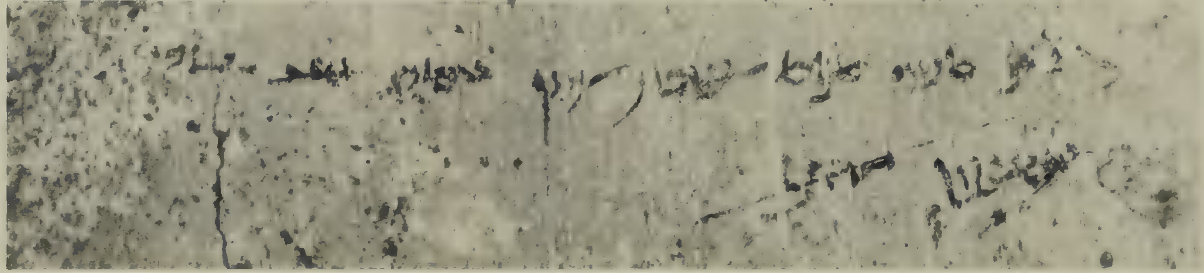
(Pl. XVLI 2, Geiger NO. 50)
māh mihr abar sāl 14 ka ×Hormazd dibīr
āmad.
māh mihr abar sāl 14 ka ×Hormazd dibīr
āmad.
‘In the month of Mihr in the year fourteen when Hormazd, the scribe, came (in).’
The date is the 7th month of the 14th year, the first day of Mihr corresponds to 18 November 254 (or, 18 March 255).
pārsīg 10
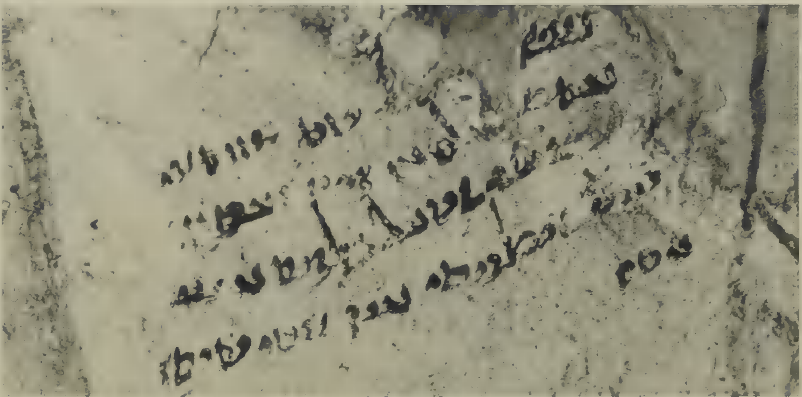
(Pl. XLVI 3, Geiger NO. 51)
māh [urdvahišt] rōz hormazd
ka Ardāv dibīr āmad
u-š ēn nigār nigerīd, u-š
kydly nigerīd kū zywky /zīvāg/ murd.
ka…
māh [urdvahišt] rōz hormazd
ka Ardāv dibīr āmad
u-š ēn nigār nigerīd, u-š
kydly nigerīd kū zywky /zīvāg/ murd.
ka…
‘In the month of Ardvahišt, on the day Ohrmazd when Ardāv, the scribe, came and he looked at this picture and he looked at kydly, that is, the living (who had been) dead.
when …’
when …’
The date is the 1st day (Ohrmazd) of (possibly) the 2nd month (Ardvahišt). No year is given. It could be 21 June 255 (or, 19 October 255).
 Made with Bullet