The Vēšābuhr stella’s chronology
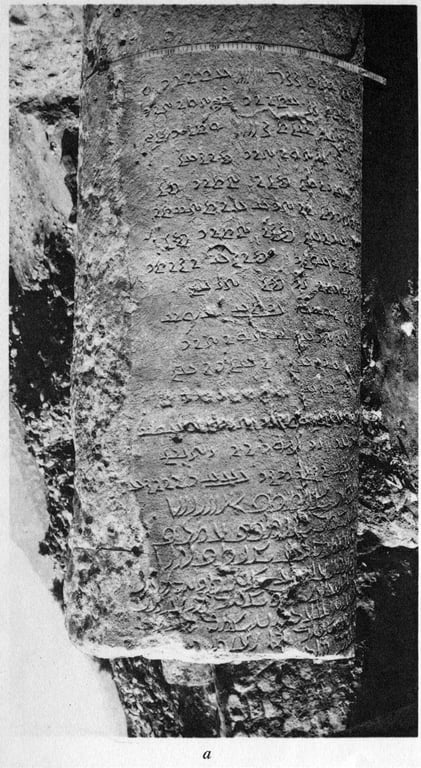
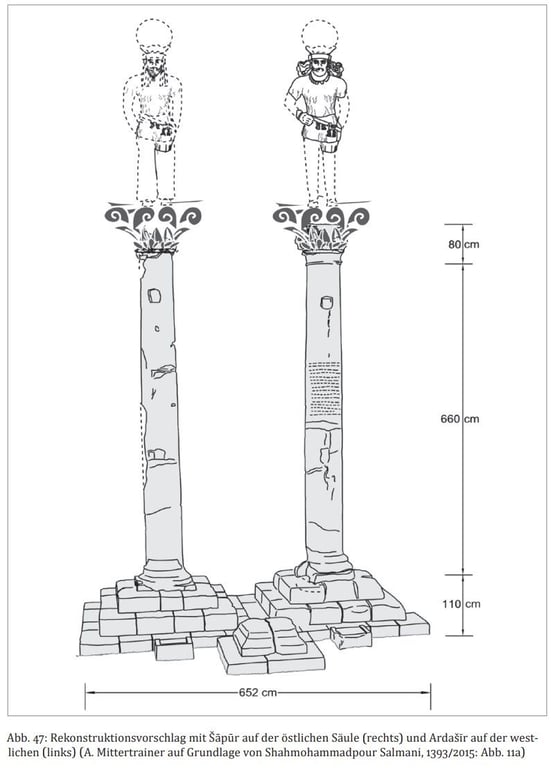
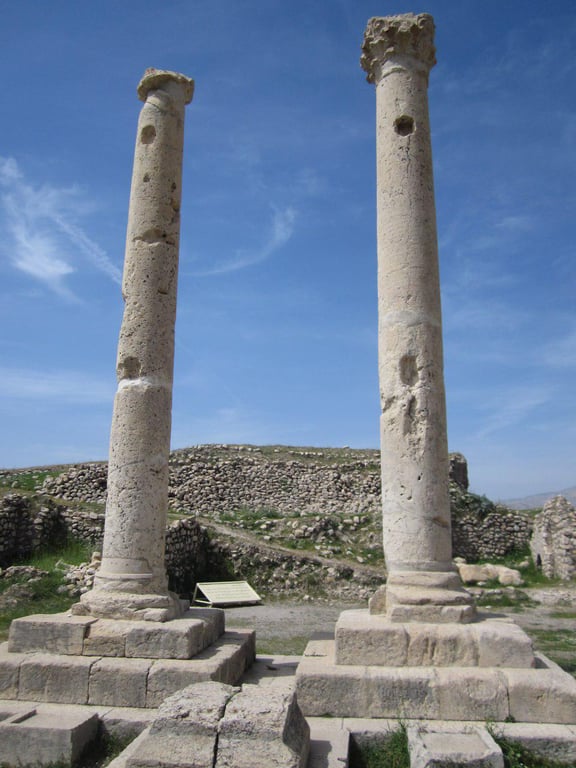
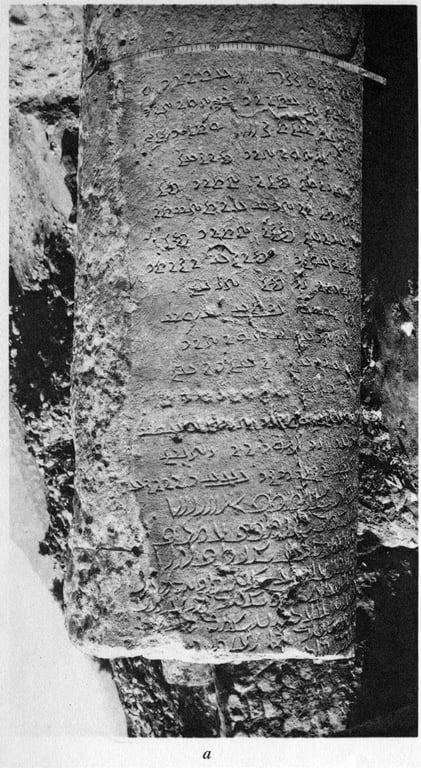
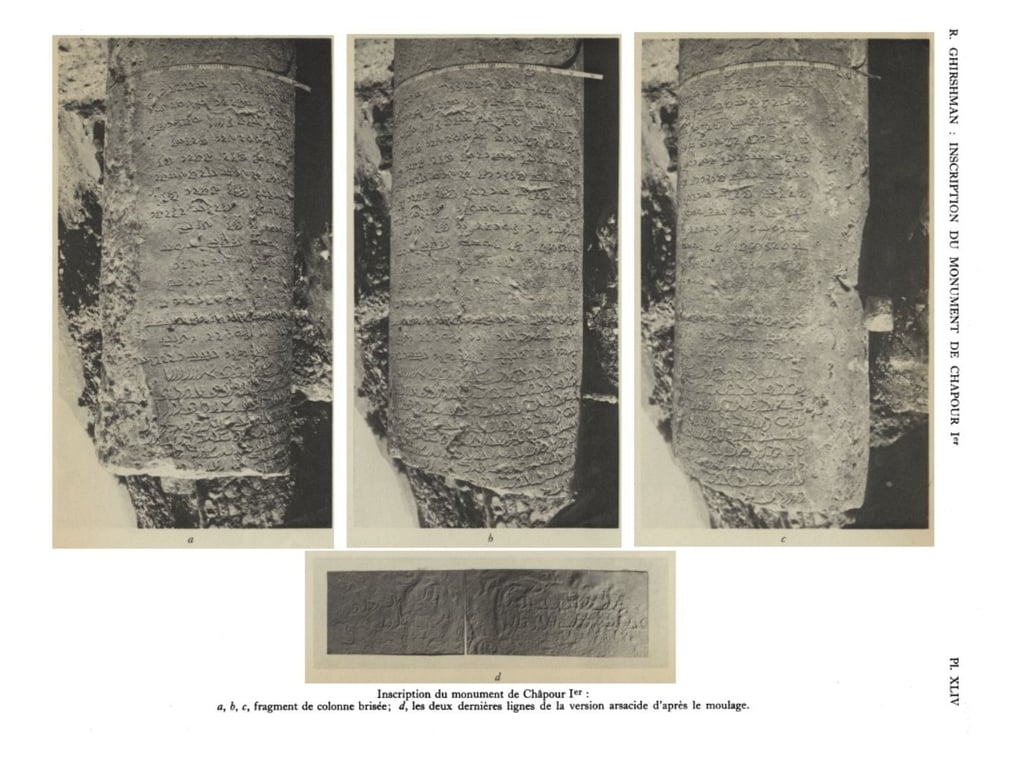
This small bilingual inscription, in Pahlavānīg (Parthian) and Pārsīg, was excavated at Bēšāpūr (Vēšābuhr) in 1935-36. A Šābuhr’s scribe, a certain Afsā, had engraved it for commemorating the erection of the statue of the Great King which was carved by himself (and/or at his own expense).
The inscription furnishes the dynasty’s epoch (Sasanian era) preceding Ardašēr’s coronation by 18 years. According to Agathias, IV 24, 1, the beginning of Ardašēr’s rule was the year 538 ‘of Alexander’. It agrees with the date in the Šābuhragān of Mani: the year 538 of the era of the Babylonian astronomers, i.e. Æra Alexandri.
Hence this date comes from official Persian registers. According to the inscription of Abnōn, the end (death?) of the Roman Emperor Gordian coincided with Šābuhr’s third regnal year: year 7 of the Roman Emperor, Mecheir (Mḫyr) 16 corresponding to February 15, 244 A.D. The first year of Šābuhr’s reign will be in the year 242.
If we reckon according to the Pārsīg “leap” year, the first year of Ardašēr corresponds to A.D. 227 May 29, on Tuesday (the first day of the month Fravardīn). The summer solstice fell on June 23, A.D. 227. As we notice, Fravardīn had moved from his place as the first month of summer. And it is possible that the first day of the month Fravardīn of the year 58 was the New Year (nōgrōz) after intercalation; in 266, Šābuhr ordered to intercalate an extra month.
We can give the following scheme:
Sasanian Era | 1st year begins | June 2, 209 |
Ardašēr | Coronation | May 29, 227 |
Šābuhr | 1st year begins | 242 |
ㅤ | Coronation | May 25, 243 |
Stele of Vēšābuhr | “After intercalation” | June 18, 267 |
*(Summer solstice of the year 267 begins on June 23).
The inscription reads as follows:
pārsīg
māh fravardīn sāl 58, ādur ī Ardašēr sāl 40, ādur Šābuhr ī ādurān šāh sāl 24 pehikar ēn mazdesn bay Šābuhr šāhān šāh ērān ud anērān kē cihr az yazdān pus mazdesn bay Ardašēr šāhān šāh ērān kē cihr az yazdān nab bay Pābag šāh. ud kird ’ps’y /Afsā/ ī dibīr ī az Xarrān šahrestān az xvēš xānag. u-š ō mazdesn bay Šābuhr šāhān šāh ērān ud anērān kē cihr az yazdān … …t. ud kū šāhān šāh ēn pehikar dīd, u-š dād ’ps’y /Afsā/ ī dibīr zarrēn ud asēmēn, bannag ud knysky /kenīzag/, b’gy /bāv/ ud /xvāstag/ (or zamīg??).
pahlavānīg
māh fravardīn sard 58, ādar Ardašēr sard 40, ādar Šābuhr ādrīn šāh sard 24 im padker mazdesn baγ Šābuhr šāhīn šāh aryān ud anaryān kē žihr až yazdān puhr mazdesn baγ Ardašēr šāhīn šāh aryān kē žihr až yazdān puhrēpuhr baγ Pābag šāh. … … dibīr až … … … … … … … … … … šāhīn šāh aryān [ud] anaryān kē žihr až yazdān … …nt.
English
The month of Fravardīn, the year 58, (which is) the year 40 of Ardašēr’s Fire, (and) the year 24 of Šābuhr’s Fire, King of the Fires.
This is the statue of the Mazdayasnian lord (Majesty) Šābuhr, king of kings of Aryans and non-Aryans, whose seed is from the Yazata, son of the Mazdayasnian lord Ardašēr, king of kings of Aryans, whose seed is from the Yazata, the grandson of the lord Pābag, the king. And Afsā, the scribe, who is from the town Carrhae, made it at his own expense (lit. ‘from his own house’). And he (offered) it to the Mazdayasnian lord Šābuhr, king of kings of Aryans and non-Aryans, whose seed is from the Yazata. And As soon as the king of kings saw the statue, he (ordered to) give to Afsā the scribe (gifts) of gold and silver, male and female servants, gardens and estates.
This is the statue of the Mazdayasnian lord (Majesty) Šābuhr, king of kings of Aryans and non-Aryans, whose seed is from the Yazata, son of the Mazdayasnian lord Ardašēr, king of kings of Aryans, whose seed is from the Yazata, the grandson of the lord Pābag, the king. And Afsā, the scribe, who is from the town Carrhae, made it at his own expense (lit. ‘from his own house’). And he (offered) it to the Mazdayasnian lord Šābuhr, king of kings of Aryans and non-Aryans, whose seed is from the Yazata. And As soon as the king of kings saw the statue, he (ordered to) give to Afsā the scribe (gifts) of gold and silver, male and female servants, gardens and estates.
 Made with Bullet