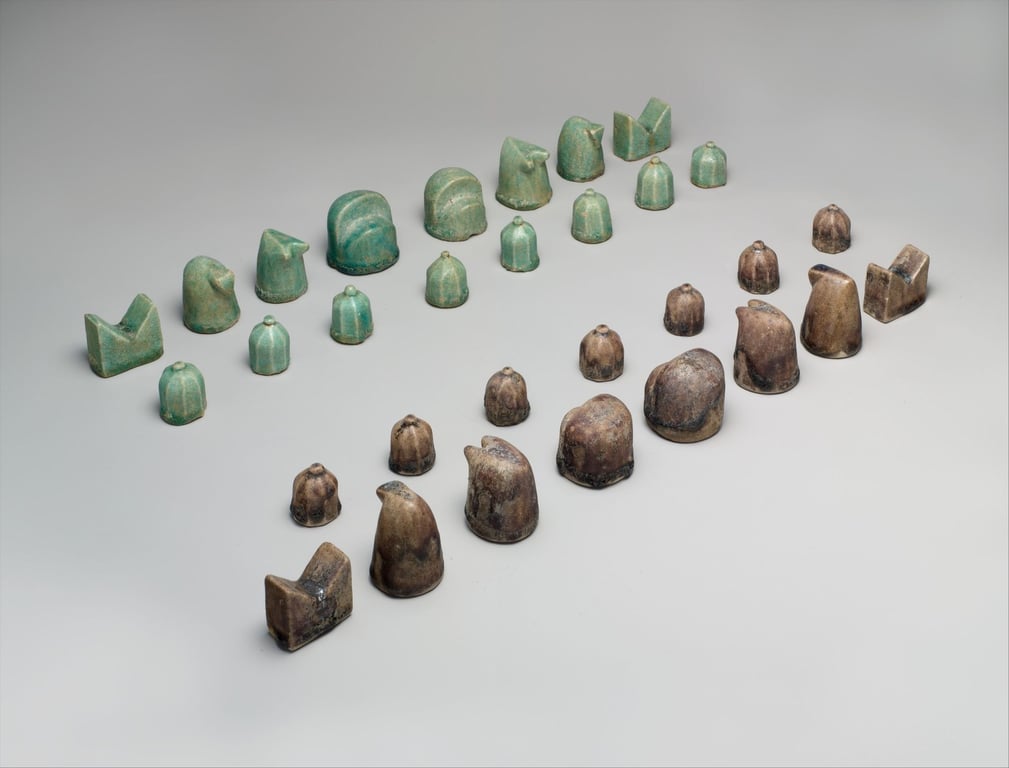
The vizārišn ī catrang ud nihišn ī nēvardašēr (VC), is a romantic record of how the game of Chess was introduced into Persia from India, and how the Persian wise invented the game of Backgammon. The core of the story is the exchange of riddles between two royal courts to determine which part should pay tribute to the other. According to this text, chess is a type of battle-game, and the chess-board is like a battle-field (kārezār); and backgammon, a race-game, resembles both worlds of thought and life.
The earliest examples of board games found in Persia come from different sites, Jīruft, Šahr ī suxtag, etc.; there are good reasons for going back at least as far as the third millennium B.C. The old (secondary) texts mention the board game(s) played by the Achaemenian king Artaxšaçā (Plutarch) and by the first Sasanian king Ardašēr (KAP). For this reason, the present text VC reflects an older version about these two board-games, chess and backgammon; the older names of the Persian king and his minister have been changed to those of the famous Husrō (Chosroes I, 6th century) and his wise minister Vazurgmihr –just as we see the traces of Cyrus’ life in the Chronicle of Ardašēr (KAP). Ferdōsī translated it into Persian. An Arabic summary of the text is found in the book of Thaʿālibī.
There was a romantic record of why the game of chess was invented by an Indian prince; we find a Persian version of it in the Šāhnāma. One chapter of the Ēvēnnāmag was about the game of chess –as it has been referred at the end of the present text– and another about the backgammon. The works on chess and Backgammon, in Persian and Arabic, contain interesting information about the history of chess. References to chess and backgammon in Sanskrit literature are scarce; they however should not be neglected.
pārsīg
(1) ēdon gōbend kū: andar xvadāyīh ī Husrav Anōšagruvān az Dēvsarm ī vazurg šahryār ī Hindūgān šāh, abar uzmūdan ī xrad ud dānāgīh ī ērānšahrīgān ud sūd-iz ī xvēš nigerīdan rāy, catrang ē juxt, šāzdah tāg az uzumburd ud šāzdah tāg az yākind ī suxr kird frēstīd;
(2) abāg hān catrang hazār ud dosad uštar bār zarr ud asēm ud gōhr ud murvārīd ud jāmag ud navad pīl, ×ud vas tis ī māyagīg kird abāg frēstīd; ud T’tlytws cōn andar hindūgān ped-vizēn būd abāg frēstīd.
(3) ped fravardag ōn nibišt ēstād kū: «cōn ašmāh ×bay ped šāhān-šāhīh ped amāh hamāg šāhān-šāh hed, abāyed kū dānāgān ī ašmāh az hān ī amāh dānāgdar bavānd; agar cim ī ēn catrang vizāred, ēnyā sāg-u-bāz frēsted.»
(4) šāhān-šāh cahār rōz zamān xvāst; ud ēc kas nē būd az dānāgān ī Ērānšahr kē cim ī hān catrang vizārdan šāyist.
(5) sidīgar rōz Vazurgmihr ī Bōxtagān abar ō pāy ēstād,
(6) u-š guft kū: «anōšag baved, man cim ī ēn catrang dā imrōz az hān cim rāy bē nē vizārd dā ašmāh ud harv kē ped Ērānšahr hed bē dāned kū andar Ērānšahr an mard-ē dānāgdar ham.
(6) u-š guft kū: «anōšag baved, man cim ī ēn catrang dā imrōz az hān cim rāy bē nē vizārd dā ašmāh ud harv kē ped Ērānšahr hed bē dāned kū andar Ērānšahr an mard-ē dānāgdar ham.
(7) an cim ī ēn catrang xvārīhā vizāram ud sāg-u-bāz az Dēvsarm stānam ud anīz tis-ē kunam ō Dēvsarm frēstam ī-š vizārdan nē tuvān, aziš do-bārag sāg gīram. ud ped ēn abēgumān hēd kū ašmā ped šāhān-šāhīh arzānīg hed ud dānāgān ī amāh az hān ī Dēvsarm dānāgdar hend.»
(8) šāhān-šāh sē bār guft kū: «zih Vazurgmihr, T’tlytws ī amāh!» u-š dvāzdah-hazār drahm ō Vazurgmihr framūd dādan.
(9) rōz ī didīgar Vazurgmihr T’tlytws ō pēš xvāst ud guft kū: «Dēvsarm ēn catrang ped cim kārezār humānāg kird.
(10) u-š humānāg do sarxvadāy kird šāh ō mādayān, raxv ō hōyag ud dašnag humānāg, frazēn ō arsēštārān-sālār humānāg, pīl ō puštebānān-sālār humānāg,
ud asp ō asvārān-sālār humānāg, payādag ō hān ham payādag humānāg ī pēš-razm.»
ud asp ō asvārān-sālār humānāg, payādag ō hān ham payādag humānāg ī pēš-razm.»
(11) u-š pas T’tlytws catrang nihād, abāg Vazurgmihr vāzīd. Vazurgmihr sē dast az T’tlytws burd, ud pediš vazurg rāmišn ō hamāg kišvar mad.
(12) pas T’tlytws abar ō pāy ēstād,
(13) u-š guft kū: «anōšag baved, yazd ēn varz ud xvarrah ud amāvandīh ud pērōzgarīh ō ašmāh dād, ērān ud anērān xvadāy hed.
(13) u-š guft kū: «anōšag baved, yazd ēn varz ud xvarrah ud amāvandīh ud pērōzgarīh ō ašmāh dād, ērān ud anērān xvadāy hed.
(14) cand ×tāg <az> dānāgān ī Hindūgān ēn catrang ē juxt nihād, ped vas arg <ud> ranz ō ēd gyāg āvurd, ēc kas vizārdan nē tuvān būd.
(15) Vazurgmihr ī ašmāh az āsnxrad ī xvēš ēdōn xvārīhā ud sabukīhā bē vizārd.»
(16) u-š hān and xvāstag ō ganz ī šāhān-šāh visē kird.
(17) šāhān-šāh didīgar rōz Vazurgmihr ō pēš xvāst.
(18) u-š ō Vazurgmihr guft kū: «Vazurgmihr ī amāh, cē ast hān tis ×ī-t guft kū kunam ō Dēvsarm frēstam?»
(19) Vazurgmihr guft kū: «az dahebedān andar ēn hazārag Ardašēr kirdārdar ud danāgdar būd ud nēvardašēr ē juxt ped nām ī Ardašēr niham.
(20) taxtag ī nēvardašēr ō spendarmed zamīg humānāg kunam;
(21) ud sīh muhrag ō sīh rōz ud šabān humānāg kunam, pānzdah ī spēd ō rōz humānāg kunam ud pānzdah <ī> syāh ō šab humānāg kunam;
(22) gardānāgān do juxt ō vardišn ī axtarān ud gardišn ī spihr humānāg kunam;
(23) ēk abar gardānāg-ē ōn humānāg kunam kū Ohrmazd ēk ast ud harv nēkīh ōy dād;
(24) do ēdōn humānāg kunam cōn mēnōg ud gētīg;
(25) sē ōn humānāg kunam cōn humat ud hūxt ud huvaršt, menišn ud gōbišn ud kunišn;
(26) cahār ōn humānāg kunam cōn cahār āmēzišn kē mardōm aziš, ×ud cahār sōg ī gētīg – xvarāsān ud xvarōfrān ud nēmrōz ud abāxtar;
(27) panz ōn humānāg kunam cōn panz rōšnīh, cōn xvaršēd ud māh ud stārag ud ātaš ud varzag ī az asmān āyed;
(28) šaš ōn humānāg kunam cōn dādan ī dām ped šaš gāhānbār;
(29) nihādag ī nēvardašēr abar taxtag ēdōn humānāg kunam cōn Ohrmazd xvadāy ka-š dām ō gētīg dād;
(30) vardišn ud gardišn ī muhrag ped gardānāg-ē ōn humānāg cōn mardomān ī andar gētīg bann ō mēnōgān peyvast ēsted, ped haft ud dvāzdah hamāg vardend ud vihēzend; ud ka ast ī ēk ō did zanend, ud abar cīnend cōn mardōmān andar gētīg ēk ō did zanend;
(31) ud ka ped gardānāg-ē ēd gardišn hamāg abar cīnend hangōšīdag ī mardōm kē hamāg az gētīg ×viderān bavend; ud ka did-iz bē nihend hangōšīdag ī mardōmān kē ped ristāxēz hamāg zīndag abāz bavend.»
(21) ud sīh muhrag ō sīh rōz ud šabān humānāg kunam, pānzdah ī spēd ō rōz humānāg kunam ud pānzdah <ī> syāh ō šab humānāg kunam;
(22) gardānāgān do juxt ō vardišn ī axtarān ud gardišn ī spihr humānāg kunam;
(23) ēk abar gardānāg-ē ōn humānāg kunam kū Ohrmazd ēk ast ud harv nēkīh ōy dād;
(24) do ēdōn humānāg kunam cōn mēnōg ud gētīg;
(25) sē ōn humānāg kunam cōn humat ud hūxt ud huvaršt, menišn ud gōbišn ud kunišn;
(26) cahār ōn humānāg kunam cōn cahār āmēzišn kē mardōm aziš, ×ud cahār sōg ī gētīg – xvarāsān ud xvarōfrān ud nēmrōz ud abāxtar;
(27) panz ōn humānāg kunam cōn panz rōšnīh, cōn xvaršēd ud māh ud stārag ud ātaš ud varzag ī az asmān āyed;
(28) šaš ōn humānāg kunam cōn dādan ī dām ped šaš gāhānbār;
(29) nihādag ī nēvardašēr abar taxtag ēdōn humānāg kunam cōn Ohrmazd xvadāy ka-š dām ō gētīg dād;
(30) vardišn ud gardišn ī muhrag ped gardānāg-ē ōn humānāg cōn mardomān ī andar gētīg bann ō mēnōgān peyvast ēsted, ped haft ud dvāzdah hamāg vardend ud vihēzend; ud ka ast ī ēk ō did zanend, ud abar cīnend cōn mardōmān andar gētīg ēk ō did zanend;
(31) ud ka ped gardānāg-ē ēd gardišn hamāg abar cīnend hangōšīdag ī mardōm kē hamāg az gētīg ×viderān bavend; ud ka did-iz bē nihend hangōšīdag ī mardōmān kē ped ristāxēz hamāg zīndag abāz bavend.»
(32) šāhān-šāh ka-š hān soxan ašnūd rāmišnīg būd, ud framūd dvāzdah hazār asp tāzīg az Āmuy, pedisār ped zarr ud murvārīd, ud dvāzdah hazār mard juvān +ī ped-vizēn ī az Ērānšahr, ud dvāzdah hazār zreh ī haftgard, ud dvāzdah hazār šamšēr pōlāvadēn ī virāst hindūg, ud dvāzdah hazār kamar ī haftcašmag, ud abārīg harv cē andar dvāzdah hazār mard ud asp abāyist, harv cē abrangīgīhādar peyrāyēnīdan.
(33) Vazurgmihr ī Bōxtagān abar avēšān sālār kird ud rōzgār-ē vizīdag ped nēk jahišn ud yazdān ayyārīh ō Hindūgān frēstīd.
(34) Dēvsarm ī vazurg šahryār ī Hindūgān šāh ka-šān ped hān ēvēnag dīd az Vazurgmihr ī Bōxtagān cahal rōz zamān xvāst.
(35) ēc kas nē būd az dānāgān ī Hindūgān kē cim ī hān nēvardašīēr dānist.
(36) Vazurgmihr did-iz ham-cand hān sāg ud bāz az Dēvsarm stānd ud ped nēk jahišn ud vazurg abrang abāz ō Ērānšahr āmad.
(37) vizārišn cim ī catrang ēn kū: /cērīh ped drang??/; az hān cōn dānagān-z guft ēsted kū: pērōz ped xrad bared az hō a-zēn ardīg.
(38) ×māyagvarīhā dānistan vāzīdan ī catrang ēn kū: nigerišn ud toxšišn ī ped nigāh dāštan ī abzār ī xvad vēš toxšišn cōn ō burdan šāyistan ī abzār ī ōy ī did, ud ped umēd ī abzār ī ōy ī did burdan šāyistan rāy dast ī vad nē vāzišn, ud hamvār abzār ēk-ē ped kār ud abārīg ped pahrēz dārišn; ud nigerišn bavendag-menišnīhā, ud abārīg ōn cōn andar ēvēn-nāmag nibišt ēsted.
frazaft ped drūd ud šādīh.
English
(1) Thus one says: During the reign of the immortal-souled (/late) Husrō (son of Kavād), Devaśarman, a great ruler, king of India, to test the wisdom and sagacity of the Persians (the people of Ērānšahr) and also to secure his own benefit, sent a game of chess, 16 pieces made of emerald and 16 pieces made of red ruby.
(2) With that game of chess he sent 1200 camel loads of gold and silver and jewels and pearls and garments, 90 elephants, and many important things. And with them he sent T’tlytws who was distinguished in India.
(3) In the letter it was written thus: “Since Your Majesty, as regards the kingship of kings, are king of kings over all of us, then your wise men should be wiser than ours; explain the game of chess, otherwise send tax and tribute (to us).”
(4) The king of kings asked a four-day deadline. There was nobody among the wise of Persia who could explain that game of chess.
(5) On the third day Vazurgmihr son of Bōxtag sprang to his feet,
(6) and said: “May you be immortal! I did not explain the game of chess till today for this reason so that you and anybody who is in Ērānšahr (Persia) know that I am the wisest in Erānšahr.
(6) and said: “May you be immortal! I did not explain the game of chess till today for this reason so that you and anybody who is in Ērānšahr (Persia) know that I am the wisest in Erānšahr.
(7) I shall easily explain this game of chess and shall take tax and tribute from Devaśarman, and I shall also invent something and shall send it to Devaśarman which he cannot explain; and once more I shall take tribute from him. You should be confident of this that you are worthy of the kingship of kings, and our wise men are wiser than those of Devaśarman.”
(8) The king of kings said three times: “bravo Vazurgmihr, our T’tlytws!” And he ordered to give 12000 drachms to Vazurgmihr.
(9) Next day Vazurgmihr summoned T’tlytws and said: “Devaśarman purposely made this game of chess like a battlefield.
(10) And he made two chief-rulers like king(s) at the centre (of an army), the rook like the left and right wing (of an army), the frazēn (= Queen) like the chief of the warriors, the elephant like the chief of the (royal) bodyguards, the horse like the chief of the cavalry, and the pawn like those foot-soldiers who are at the first line of the battle.”
(11) Then T’tlytws set the game of chess and played with Vazurgmihr. Vazurgmihr won three times from T’tlytws; and this caused a lot of merriment in the whole country.
(12) Then T’tlytws sprang to his feet,
(13) and said: “May you be immortal! The Yazata (= Ahura Mazdā) has given you the splendour and Fortune, this offensive force and force of resistance (/ victory); you are the lord of Aryans and non-Aryans.
(13) and said: “May you be immortal! The Yazata (= Ahura Mazdā) has given you the splendour and Fortune, this offensive force and force of resistance (/ victory); you are the lord of Aryans and non-Aryans.
(14) Some learned men of India invented this set of chess, and with much toil and trouble brought it to this place; nobody could explain it.
(15) Your Vazurgmihr through his innate wisdom explained it so easily and simply.”
(16) He sent that much wealth off to the treasure-house of the king of kings.
(17) Next day the king of kings summoned Vazurgmihr,
(18) and said to Vazurgmihr: “O our Vazurmihr, what is that thing you said you would devise and send to Devaśarman?”
(18) and said to Vazurgmihr: “O our Vazurmihr, what is that thing you said you would devise and send to Devaśarman?”
(19) Vazurgmihr said: “Among the lords of this millennium Ardašēr was the most active and most wise; and I will name a set of (the board game) Nēvardašēr by the name of Ardašēr.
(20) I shall liken the board of the Nēvardašēr to the Spəṇtā Ārmaiti (viz.,) the earth;
(21) and 30 pieces I shall liken to the 30 days and nights, 15 white (pieces) to the day, 15 black to the night;
(22) I shall liken the two dice (of the backgammon) to the turning of the constellations and that of the celestial sphere;
(23) I shall liken the one on a die to Ahura Mazdā who is one and he created all goodness:
(24) I shall liken the two to the world of thought and the world of life;
(25) I shall liken the three to humata hūxta hvaršta, (good) thoughts and words and deeds;
(26) I shall liken the four to the four humours of which men are, and to the four cardinal points of the world, i.e. east and west and south and north;
(27) I shall liken the five to the five lights, like the sun and the moon and the stars and the fire and the lightening which comes from the sky;
(28) I shall liken the six to the creation of the creatures during six periods of the year;
(29) I shall liken the putting of nēvardašēr on the board to the creation of the creatures by Ahura Mazdā on the earth;
(30) I shall liken the turning and moving of the pieces by the die to men in the world of life whose bond is connected to the world of thought, and they turn and move through the seven (planets) and the twelve (signs of the zodiac), and the knocking of the pieces one another and their removal to men in the world (when) they smash one another;
(31) and when by the turning of the die they remove all (the pieces), it is like the men who all will pass away from the world; and when they set them up again, it is like the men who, at the time of resurrection, all will become alive again.”
(21) and 30 pieces I shall liken to the 30 days and nights, 15 white (pieces) to the day, 15 black to the night;
(22) I shall liken the two dice (of the backgammon) to the turning of the constellations and that of the celestial sphere;
(23) I shall liken the one on a die to Ahura Mazdā who is one and he created all goodness:
(24) I shall liken the two to the world of thought and the world of life;
(25) I shall liken the three to humata hūxta hvaršta, (good) thoughts and words and deeds;
(26) I shall liken the four to the four humours of which men are, and to the four cardinal points of the world, i.e. east and west and south and north;
(27) I shall liken the five to the five lights, like the sun and the moon and the stars and the fire and the lightening which comes from the sky;
(28) I shall liken the six to the creation of the creatures during six periods of the year;
(29) I shall liken the putting of nēvardašēr on the board to the creation of the creatures by Ahura Mazdā on the earth;
(30) I shall liken the turning and moving of the pieces by the die to men in the world of life whose bond is connected to the world of thought, and they turn and move through the seven (planets) and the twelve (signs of the zodiac), and the knocking of the pieces one another and their removal to men in the world (when) they smash one another;
(31) and when by the turning of the die they remove all (the pieces), it is like the men who all will pass away from the world; and when they set them up again, it is like the men who, at the time of resurrection, all will become alive again.”
(32) When the king of kings heard these words, he became pleased and ordered 12000 swift horses from Āmuy, bridled with gold and pearls, and 12000 young distinguished men from Persia, and 12000 mail armours consisting of seven pieces, and 12000 Indian nicely-prepared steel swords, and 12000 belts studded with seven jewels, and whatever else is needed for 12000 men and horses, (he ordered) to adorn as more majestic as possible.
(33) He made Vazurgmihr son of Bōxtag chief of them, and on a chosen day, with good fortune and with the help of the Yazata, sent him to India.
(34) Devaśarman, the great ruler, king of India, when he saw them in such a manner, he asked Vazurgmihr son of Bōxtag a forty-day deadline.
(35) There was nobody from among the sages of India who could explain the game of Nēvardašēr.
(36) Vazurgmihr once more got as much tax and tribute, and with good fortune and great pomp he came back to Persia.
(37) The explanation of catrang is this: ??; since the wise also have said: “A victor wins this weaponless war (only) through wisdom.”
(38) One who (would like) to play chess should essentially know this: his intention and effort should be so that he tries more to preserve his own pieces than to be able to take away the pieces of the other (player), and in the hope of being able to take away the pieces of the other he should not play a bad game, and he should always keep a piece on the attack and the others on the defence, and his intention should be with perfect-mindedness, and the other things as have been written in the Ēvēn-nāmag.
Completed in health and joy.
 Made with Bullet