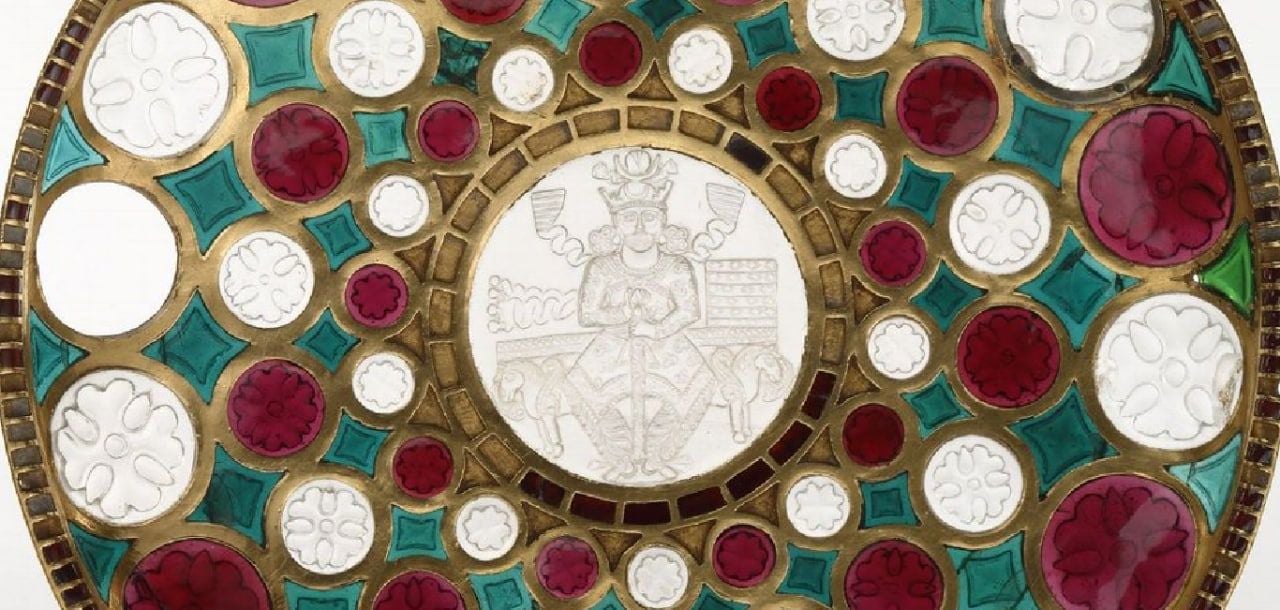
The Handarz ī Husrav ī Kavādān (HHK) professes to be the testament of King Xusrō son of Kavād (Χοσρόης) to his people just before his death.
Casartelli says:
“In the last book of his Cyropædia (viii. 7) Xenophon reports the discourse on the immortality of the soul, which the great Persian king, Cyrus, is said to have spoken to his children when at the point of death. That noble discourse is rendered still better known, by the translation of it which Cicero has inserted in the most charming part of his charming Essay on Old Age (c. xxii)… I … call attention to the striking coincidence that Persian and Parsi tradition has preserved to us the dying speech, of another and equally great Persian monarch. Just as Xenophon puts into the mouth of the greatest king of the Achaemenid dynasty, who died some five hundred years before Christ (529), a discourse on the Immortality of the Soul, so does the Handarz ī Husrav ī Kavādān put into the mouth of the greatest of the Sassanid dynasty, Chosroes, –whose very title Anōšag-ruvān signifies exactly "he of the Immortal Soul", and thus bears testimony to the same great doctrine which Cyrus is made to enunciate, and who died some five hundred years after Christ (579), —a moral discourse of still greater beauty.”
pārsīg
ped nām ī yazdān, jadag ī nēk.
(1) ēdōn gōbend kū anōšag ruvān Husrav ī Kavādān andar ē ka purr-gāh būd, pēš az hān ī ka gyān az tan judāg baved ped handarz ō gēhānīgān guft kū:
cōn ka ēn gyān az tan ī man judāg bed ēn taxt ī man abar dāred ud ped haspānvar bared ud ped haspānvar bē nihed, ud ped sar ī gēhānīgān vāng kuned kū:
mardōmān! az vināh kirdan bē pahrēzed ud ped kirbagvarzišnīh toxšāg baved, ud xīr gētīg ped xvār dāred ; ka ēn hān tan ast kē dīg bē ēn tan būd, ēn mardōm ped sē gām nazdīgdar nē būd, ped harv gāh ud zamān ahlāyīh ud xīr ī gētīg bē abzūd, ī imrōz bahr ī rīmanīh rāy harv kē dast abar nihed ēg-iš ped baršnūm bē abāyed šustan, ayāb ped yazišn ī yazdān ō hampursagīh ī vehān nē hilend; ud dīg škōh ī xvadāyīh rāy dast ō kas nē dād, ī imrōz bahr ī rīmanīh rāy kas dast abar nē nihed.
(2) mardōmān ī gēhān! drūdumand baved, raved rāyēnišn ped menišn ī rāst ud kār varzīgarīh, ped kār ī gēhānīgān toxšāg zēnāvand baved!
(3) ēvēn ud peymān ped kār dāred, ud ped kār ud dādestān rād ud rāst, ud rāstān hamsoxan bed!
(4) handarz-guftārān soxan handarz niyūšīdar, ped handāzag ō kār ud peymān gīred!
(5) ped bahr ī xvēš hunsand bēd ud bahr ī anī kas mā appared!
(6) ped dāšn dahišn ī driyušān spōz ud vistārīh mā kuned, bē nigered kū cōn appār baved xvadāyīh, xvāstag bē šaved, xīr ī stabr ud dōšārm ud dušxvārīh ud driyušīh bē videred.
(7) ēdar zīndagīh andak, ānōh rāh dūr, ud hamemāl škeft, ud dādvar rāst, kirbag ped abām nē vindend; drūd ud pārag kār nē kunend; ud tan ruvān rāy nē pedīred bē ka vas kirbag kird ēsted, enyā frāz ō Cinvad Puhl vidārdan nē tuvān. ānōh dādvar ī rāst cōn Mihr ud Rašn.
(8) vyāxan bāš dā garōdmānīg bavāy!
(9) afsōs mā kun dā xvarrahumand bavāy; cē nēkīh ud juttarīh ped harv gāh ud ped harv kas šāyed būdan.
(10) gētīg ped espanz dār, ud tan ped āsān; nēkīh ped kirdan dār, bazag ped ranz-spōz, mēnōg ped xvēš kunišn!
(11) ēn-z guft ēsted kū: harv kas bē abāyed dānistan kū az kū be mad ham, ud cē-m ēdar ham, u-m abāz ō kū abāyed šudan, u-m cē aziš xvāhend.
(12) ī an ēn dānam kū: az pēš ī Ohrmazd xvadāy bē mad ham, ud stōbēnīdan ī druz rāy ēdar ham; ud abāz ō pēš ī Ohrmazd xvadāy abāyed šudan; u-m ahlāyīh aziš xvāhend.
ud xvēškārīh ī dānāgān ēk hamōzišn ī xrad, ud ēk virāyišn ī xēm.
(13) anōšag-ruvān bavād Husrav ī šāhān šāh Kavādān kē-š ēn handarz kird u-š ēn framān dād. ēdōn bavād!
frazaft ped drūd ud šādīh.
English
In the name of the Gods and good fortune.
(1) Thus they say that the Immortal-souled Xusrō son of Kavād at the time when he was in the end of his time, before his soul became separate from his body, spake thus as a testament to the people:
When the soul becomes separate from my body, raise this throne of mine, and take it to the resting-place, and set it up in the resting-place, and make a proclamation to the people of the world, saying:
O men! abstain from committing sin, and be diligent in performing good deeds! Regard worldly wealth with contempt! For this is that body which yesterday however was this body from which people stayed at a distance of three steps, and at every place and time increased righteousness, and worldly wealth, which today on account of its state of pollution if anybody touches it, he should be cleansed through barəšnūm, if not he is not allowed (to go to) the “consultation of the good” (fire-temples) for worshiping the Gods; yesterday on account of the majesty of kingship it was not giving its hand to anybody, while today on account of its state of pollution nobody lays his hand on it.
(2) O men of the world! Be in health and live so that the direction (of your life) be according to truthful mind and with extraordinary works; be diligent and vigilant as regards the affairs of the world!
(3) Maintain tradition and measure in action; be liberal and truthful in business; and be companion (in conversation) with the truthful!
(4) Listen to the words and counsels of the counsellors, and similarly employ them!
(5) Be contented with your lot and rob not others’ lot!
(6) Concerning gifts to the poor, do not delay or be negligent! Notice that how the kingship will be removed, the property will go away, and the huge wealth, and love, and difficulty, and poverty will pass.
(7) Here the life is short, there the path is long; the opponents are terrible; the judges are truthful; one cannot borrow good deed (there); neither greeting influences (the judges) nor bribe; and the soul of a person is not accepted except when he has performed many good deeds, otherwise he cannot pass across the Cinvatō pərətu (‘the bridge of the accountant’), where there are truthful judges like Miθra and Rašnu.
(8) Be eloquent (/ champion) so that you might be fit for Paradise!
(9) Do not mock so that you might be fortunate! For goodness and its opposite can be at every place and by everyone.
(10) Regard the material world as an inn; and consider the (human) body for the rest; hold goodness as a thing to do; regard expiation as that which repels pain; and hold the world of life as your own action!
(11) This is also said that everyone should know, “whence have I come, why am I here, where am I to go back, and what will they want of me?”
(12) I know this, “I have come from the presence of the Lord Ahura Mazdā; I am here to defeat the Lie; and I have to go back to the presence of the Lord Ahura Mazdā; and they want from me Righteousness (Av. aṣa).”
The duties of the wise are, one, the teaching of Wisdom, and the other, the reform of character.
(13) Immortal-souled be Xusrō, king of kings, son of Kavād who made this testament, and gave these orders. May it be so!
Completed with peace and joy.
Audio
 Made with Bullet